
|
Issue 7,
Volume 7, 10 July 300 AP The Story behind the news. |

|
Economics
Manufacturing's new Tiger-companies Capital controls - the time has come Election 300 Angorit meets with Areopatré Electorate profile: Navoomi Politics Cruisian Democrats experience in Nystonia Law reform International Armatirion: Sleeping Giant Independence for the Kingdom of Elafites and Zufites Sport Golf: Aretesuna and Penneton's massive success Football: Luka v Utan Krysaror, could violence break out? |
|
Subscribe to Zeitgeist
Subscriber queries |
Electorate Profile: Navoomi
Travelogue
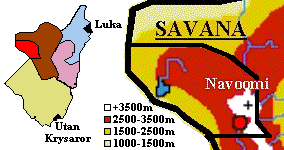
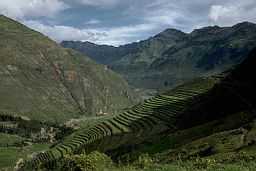
And so describes the Savaj living in the Navoomi electorate. It is a place buried high on the western side of Utania's peaks, between 1500 and 3500 metres (4500 and 11000 feet) elevation, somewhat separated from the rest of Utania. It is bitterly cold in winter, reaching temperatures as low as -30 C, but bright, sunny and mild during the summer months, reaching peaks of 25 C in parts. Survival against the cold is paramount, yet the small mud brick houses, and significant amounts of fur clothing have kept the Savaj warm for the three millenia they have lived there.
The capital city is littered with churches showing the high devotion to the Cruisian God. Typically, at least two Sabbaths a month are spent all day in devotional prayer and fasting, while a typical day would involve an hour of the same some time during the day, and is typical outside the city too. It is a highly spiritual place, but not necessarily "religious". There is no enforced regimen, only a culture which prizes highly devotion to prayer and good works.
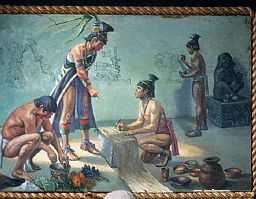
The Savaj Empire With such charity and hospitality, it is hard to imagine these people once ruled the entire of modern Utania and much of South Bay until the plague. When the Utani tribes, descendants of one man, Pethonis, divorced eachother and ruled separate kingdoms. Internicene wars were common. One such war began after a famine in the Savaj Kingdom forced the people to move downhill into Chiquiti and Kanhara, in what is now northern Utani B'yan state. Unwelcome and persecuted, the Savaj King despatched an army of thousands to rescue his people and to force the recalcitrant "brother kingdoms" to be more "Cruisian" and charitable. This lead to the formation of the Savaj Empire, the last dynasty of which rules the Savaj and Viranese to this day. And rather than acting as a overlord and tyrant master for the other tribes, the Savaj Empire was one of the most civilising influences on the Utani in all history, ending a thousand
With this in mind, it is not difficult to understand why the Savaj have such faith in their rulers. <Tech>For those still searching for a parallel to earth, think mountain kingdoms with heavy spirituality, think Tibet or Nepal</Tech> Electorate Therefore, what sort of voters are the Savaj of Navoomi electorate? According to the Utanian Electoral Commission, not really much at all: it appears some 80% of the electorate have submitted "Vote Transfer" forms that will hand to their tribal Chiefs, or the Emperor, the right to vote on their behalf, and the other 20% will probably vote the way the Emperor or Chief dictates. While critics, such as Utani Progressive Party leader, James Angorit, say this allows an absolute monarchy to exist within the borders of a democracy, it was the people of Savana that insisted on this right. At this stage, the pro-royalist, and pro-traditional Kingdom Utani-Saedaj Party (USP) are likely to collect at least two of the three Navoomi seats in parliament, with the cruisian-values Peoples Party collecting the rest. Navoomi is a monarchist, traditionalist and very religious electorate, and the eight hundred thousand residents wouldn't have it any other way. |

|
Related Articles:
Angorit meets with Areopatré Previous Editions: Election 300 Special Savaj give away their votes Most recent Poll: Luka Herald |
|
Previous issues:
So what, the President likes golf? |
Stock Exchange:
 Stocks continue to stagnate - when will the Govt. release cash controls? |

|
What IS a Zeitgeist?
Jerman for "Spirit of the Age". In this case it is to mean the "spirit" of the Utanian people, the magazine reporting the people's thoughts behind the press-releases and reported news. |
|
©Zeitgeist Magazine, 300 AP.
<TECH> ©Mike Ham, 2000. All rights reserved. No reproduction without, at least, tacit approval. ;-) |